Baltic Terra: why Latvian agricultural land stands out in Europe
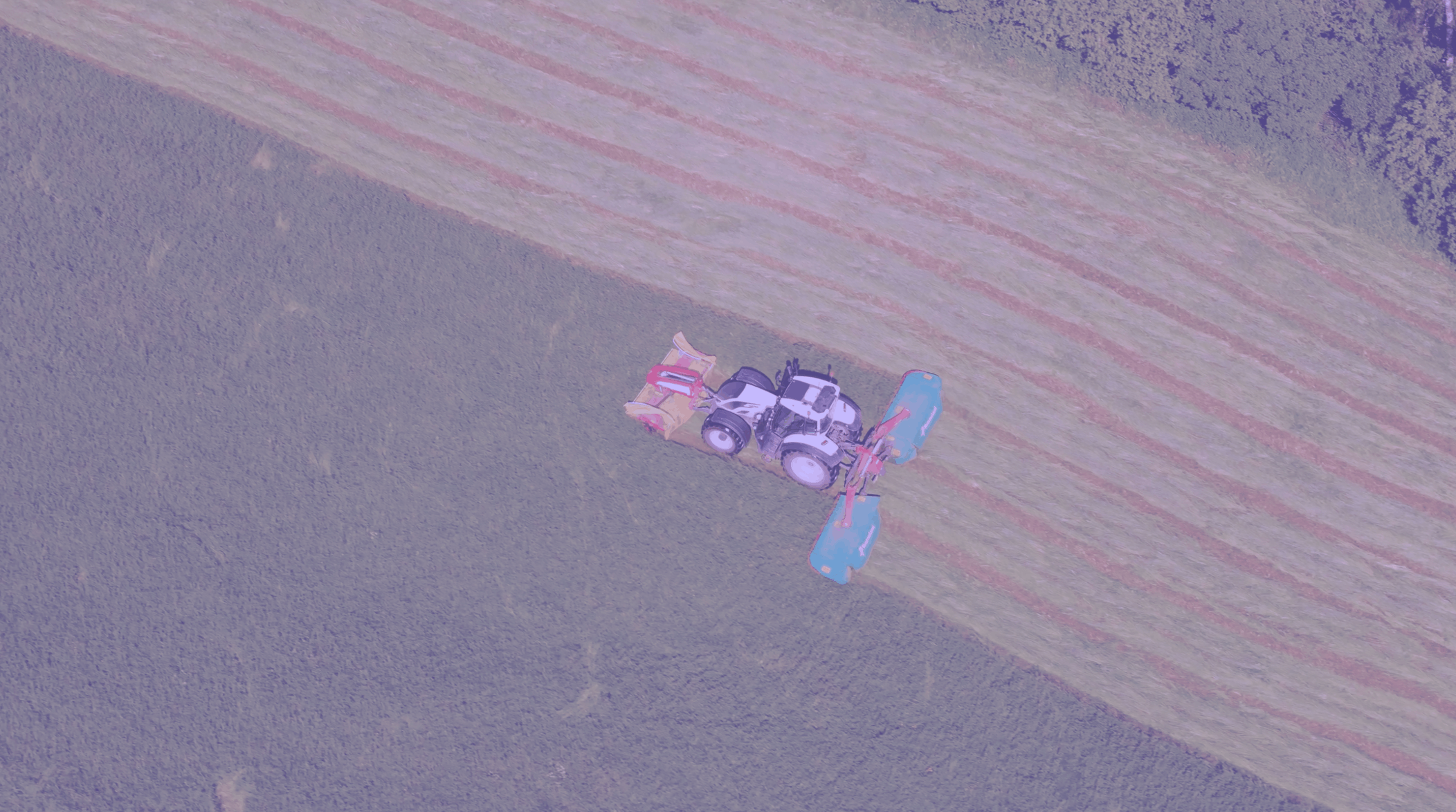
Latvia’s agricultural land market is quietly transforming into one of Europe’s most compelling real-asset investment opportunities. While farmland in Western Europe has already reached institutional maturity and high price levels, Latvia remains in an earlier phase of development, offering investors both yield and long-term appreciation potential.
This is the environment where Baltic Terra operates: identifying overlooked land, adding structure and productivity and turning farmland into a stable, income-generating asset.
Latvia: a land-rich market with room to grow
Around 35% of Latvia’s territory is agricultural land, amounting to close to 2 million hectares. On a per-capita basis, this places Latvia among the most land-rich countries in the European Union. Yet land prices remain relatively low compared to most EU peers.
Over the past decade, agricultural land prices in Latvia have increased more than 2.5x, reaching approximately €4500 per hectare on average. This growth reflects a market that is maturing but not overheated.
At the same time, the structure of agriculture is changing. The number of farms has declined while average farm size has increased. This consolidation signals a shift from fragmented ownership toward professionally managed, commercially viable scale, a trend that favors long-term land investors.
How Latvia compares to Europe?
Across Europe, farmland has proven to be one of the most resilient real assets. Limited supply, food security concerns and EU environmental regulation continue to support long-term value growth.
However, pricing varies significantly:
Western Europe: €25 000 – €60 000 per hectare in countries such as Germany, the Netherlands and Denmark,
EU average: ~€11 800 per hectare,
Latvia: ~€4500 per hectare.
This gap highlights Latvia’s remaining headroom. Similar dynamics were observed in Poland a decade ago where farmland prices doubled as institutional capital entered the market.
Latvia combines low entry prices with EU legal protections, access to Common Agricultural Policy subsidies and a transparent land registry system, fundamentals that underpin investor confidence.
Why agricultural land attracts investors now?
Latvian farmland offers several structural advantages:
- consistent long-term appreciation,
- strong demand for leased land from professional farmers,
- EU subsidy support for agricultural operators,
- limited supply of high-quality, well-prepared land,
- inflation-hedging characteristics of real assets.
Most farmers in Latvia lease land rather than own it, creating a natural demand for professionally managed farmland portfolios that generate stable rental income.
Baltic Terra approach
Baltic Terra does not speculate on farmland prices. Its strategy focuses on building productive land portfolios through structure, scale and operational discipline.
The fund sources land through partnerships with private owners, forestry companies divesting non-core parcels and municipalities. These relationships provide access to land that is often underutilized, legally fragmented or operationally neglected.
Once acquired, Baltic Terra:
- resolves legal and cadastral complexities,
- consolidates fragmented plots into efficient land blocks,
- prepares land for cultivation or lease,
- leases land to vetted agricultural operators,
- manages compliance, subsidies and long-term stewardship.
Returns are generated through a combination of lease income and gradual capital appreciation, not short-term asset flipping.
From overlooked parcels to productive assets
A significant share of Latvia’s land market consists of plots that sit between traditional categories: former agricultural land overgrown with shrubs, ex-forestry parcels suitable for conversion or inherited land without active management.
Baltic Terra specializes in identifying these assets and repositioning them into productive farmland or long-term land-use portfolios. This creates value not only for investors but also for local agriculture by bringing idle land back into economic use.
A market still in its early chapter
Latvia’s farmland market remains dominated by individuals and families rather than large institutions. For investors, this creates an opportunity to enter before institutional competition compresses yields.
Baltic Terra is positioned to benefit from this transition, combining local expertise, structured execution and a long-term view on land as a productive, real-economy asset.
Agricultural land does not rely on financial cycles or speculative demand. It generates value quietly, steadily and over time. In Latvia that story is only beginning.
This is a marketing communication and should not be interpreted as investment research, advice, or an endorsement to invest. The historical performance of financial instruments is not indicative of future outcomes. Investing involves risks; the value of investments may fall as well as rise. Be sure to assess your knowledge, experience, financial situation, and investment goals before investing.